
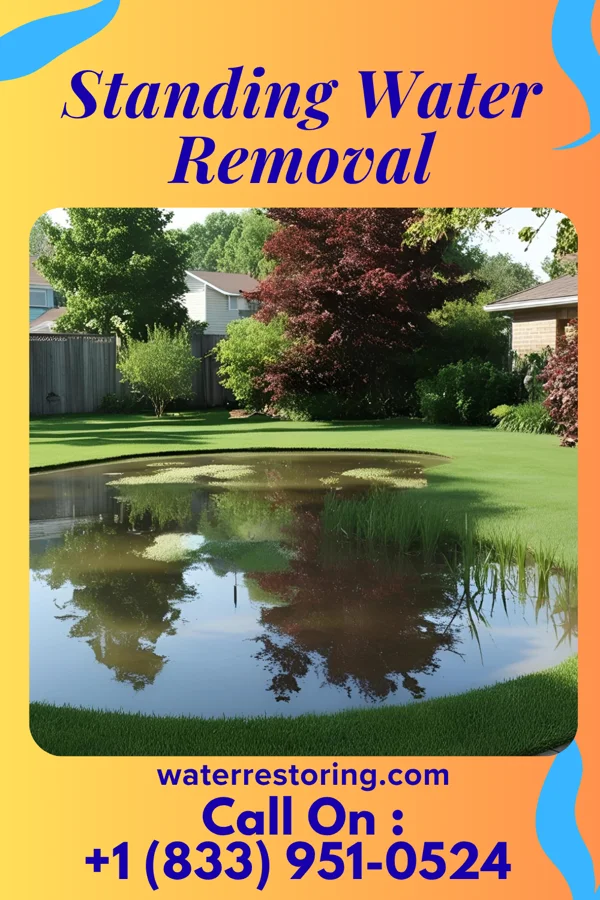
Standing Water Across Seneca Neighborhoods
Every neighborhood in Seneca has a different water damage risk profile. The one that shows up on most restoration calls is In Seneca, South Carolina, the primary cause of water damage is often related to heavy rainfall and flooding due to its rural location and proximity to the Santee River. Additionally, aging infrastructure and occasional sewer backups contribute to water intrusion in residential properties.. A close second is Secondary causes include leaking roofs, burst pipes, and malfunctioning sump pumps. These issues are common in the area's older homes, which may lack modern waterproofing systems..
Seneca experiences a humid subtropical climate with frequent thunderstorms and heavy downpours, increasing the risk of water damage. The region's seasonal flooding, particularly during spring and summer, requires prompt water damage response to prevent long-term structural issues.
Water damage in Seneca follows a few local patterns. In Seneca, South Carolina, the primary cause of water damage is often related to heavy rainfall and flooding due to its rural location and proximity to the Santee River. Additionally, aging infrastructure and occasional sewer backups contribute to water intrusion in residential properties. accounts for the bulk of our calls. Seneca experiences a humid subtropical climate with frequent thunderstorms and heavy downpours, increasing the risk of water damage. The region's seasonal flooding, particularly during spring and summer, requires prompt water damage response to prevent long-term structural issues. Mold can develop quickly in Seneca's humid climate, especially in rural homes with poor ventilation. Immediate action is critical to prevent health risks and costly structural damage.